
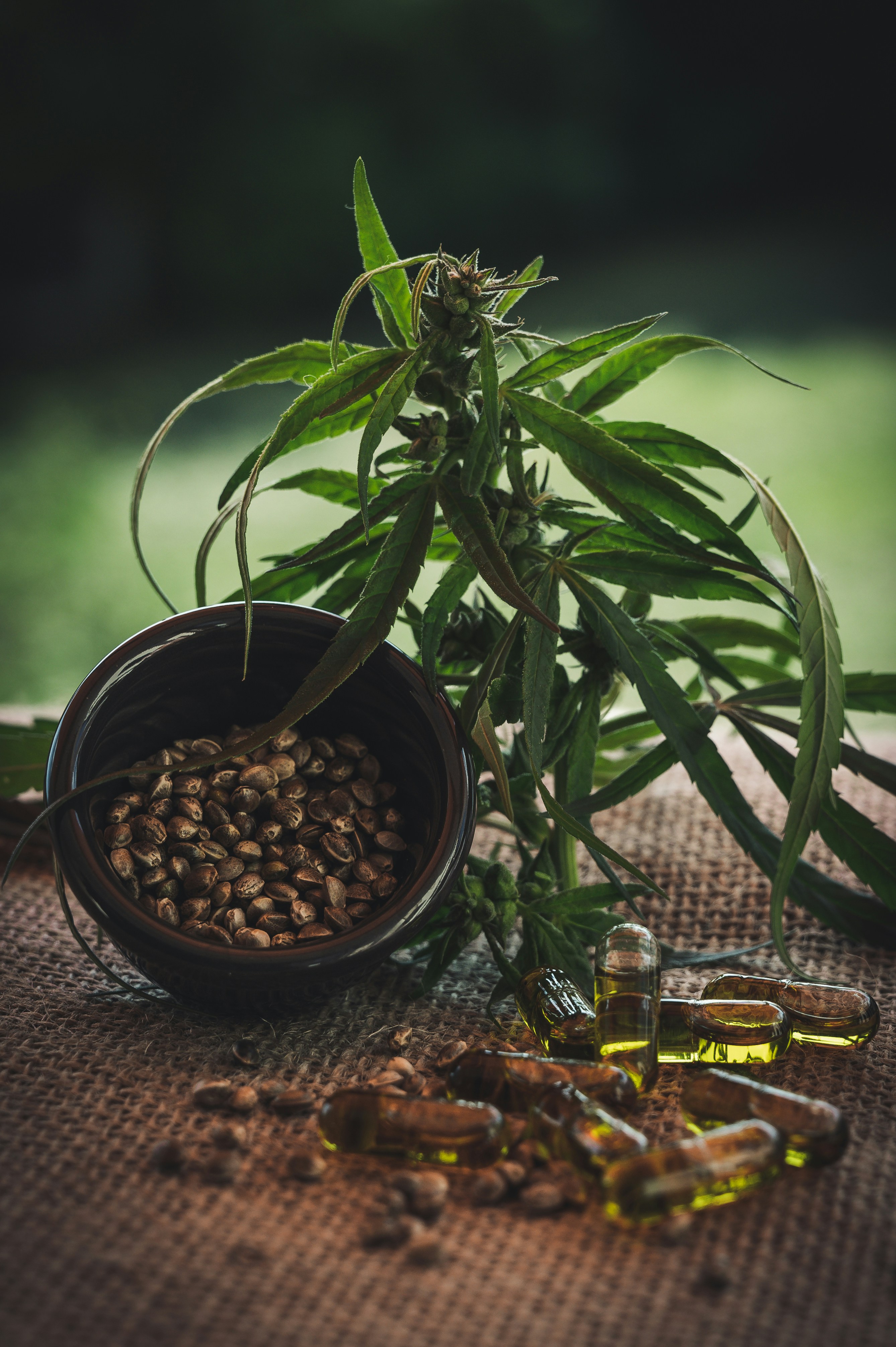
What is Seed Cycling?
Seed cycling is a natural approach to supporting hormone balance by strategically consuming specific seeds during different phases of the menstrual cycle. This concept is rooted in the understanding that certain seeds contain essential nutrients and fatty acids that can promote hormonal health. By aligning seed intake with the phases of the cycle, women may be able to alleviate common hormonal issues such as premenstrual syndrome (PMS), menstrual irregularity, and more.
The two main phases of the menstrual cycle are the follicular phase and the luteal phase. During the follicular phase, which typically lasts from day one of the menstrual cycle until ovulation, it is recommended to consume flaxseeds and pumpkin seeds. Flaxseeds are particularly high in lignans and omega-3 fatty acids, which can help regulate estrogen levels. Pumpkin seeds, on the other hand, are rich in zinc and magnesium, promoting progesterone production as the cycle progresses.
As the cycle transitions into the luteal phase, which spans from ovulation until the start of menstruation, women are advised to switch to sunflower seeds and sesame seeds. Sunflower seeds contain Vitamin E and selenium, both of which support the body’s hormonal balance and assist in reducing inflammation. Sesame seeds are beneficial for their phytoestrogens, which may help to modulate estrogen levels during this phase.
This guide aims to educate women on how to effectively utilize seed cycling for hormones. By using a well-rounded seed cycling kit that includes flaxseeds, pumpkin seeds, sunflower seeds, and sesame seeds, individuals can take a proactive step in managing their menstrual health naturally. The incorporation of seed cycling into one’s routine has the potential to create a positive impact on hormone regulation and overall well-being.
Understanding the Menstrual Cycle
The menstrual cycle is a vital process that plays a significant role in women’s reproductive health. It typically spans approximately 28 days and is divided into two main phases: the follicular phase and the luteal phase. Each phase is characterized by distinct biological events and hormonal fluctuations that are crucial for fertility and overall hormonal balance.
The follicular phase begins on the first day of menstruation and lasts until ovulation. During this phase, the pituitary gland releases follicle-stimulating hormone (FSH), which stimulates the ovaries to develop several follicles, each containing an egg. As the follicles mature, they produce estrogen, a key player in the regulation of the menstrual cycle. This rise in estrogen prepares the uterine lining for a possible pregnancy. The follicular phase is marked by increasing energy levels and mood stability, reflecting the body’s natural inclination towards growth and vitality.
Following ovulation, the luteal phase commences, lasting around 14 days. Here, the ruptured follicle transforms into the corpus luteum, which secretes progesterone. Progesterone is essential for thickening the uterine lining, making it conducive for implantation should fertilization occur. If the egg is not fertilized, progesterone levels drop, leading to a shedding of the uterine lining, thus initiating menstruation. The luteal phase can see fluctuations in mood and energy, largely influenced by hormonal changes, which can affect women’s overall well-being.
Understanding these phases is vital for women, particularly when considering natural methods for hormone balance, such as seed cycling for hormones. By aligning dietary practices with the menstrual cycle, women can optimize their reproductive health. For those seeking to enhance their hormone health, investing in a seed cycling kit can provide the necessary nutrients tailored to support the body’s natural rhythms.
Phase One: The Follicular Phase
The follicular phase marks the beginning of the menstrual cycle, typically lasting from day one to around day fourteen, culminating in ovulation. During this critical phase, hormonal activity is primarily driven by the pituitary gland’s release of follicle-stimulating hormone (FSH), stimulating the ovaries to produce follicles—the structures that contain the eggs. Following this, estrogen levels gradually rise, which is essential for growth and preparation of the uterus for potential implantation. Achieving a natural hormone balance during this phase is crucial, as estrogen helps regulate menstruation and supports overall reproductive health.
Incorporating seed cycling into a woman’s diet may aid in regulating hormonal fluctuations during the follicular phase. Specifically, flaxseeds and pumpkin seeds are recommended during this time. Flaxseeds are abundant in lignans, which can help modulate estrogen levels, while pumpkin seeds provide essential nutrients such as magnesium, zinc, and omega-3 fatty acids. These nutrients play a role in promoting hormonal balance and supporting ovarian health. Women interested in seed cycling for hormones can easily introduce these seeds into their daily meals. Ground flaxseeds can be added to smoothies, yogurt, or oatmeal, whereas pumpkin seeds can be sprinkled on salads or eaten as a snack.
For those new to seed cycling, a seed cycling kit might be beneficial. These kits often include pre-portioned amounts of each seed, making it convenient to incorporate them into daily nutrition without having to measure or prepare each ingredient. The key to effective seed cycling lies in consistency; by regularly consuming flaxseeds and pumpkin seeds, women can leverage the hormonal benefits they bring, supporting a smoother transition during the follicular phase. Understanding and embracing the importance of this cycle can lead to improved health and well-being overall.
Phase Two: The Luteal Phase
The luteal phase is a crucial part of the menstrual cycle, occurring after ovulation and lasting approximately 14 days. During this period, the body prepares for a potential pregnancy, with progesterone being the dominant hormone. This hormone is essential for maintaining a healthy uterine lining, should fertilization occur. However, many women experience symptoms related to hormonal imbalance during this phase, including mood swings, cravings, and physical discomfort. Thus, attaining natural hormone balance becomes vital for overall well-being during these two weeks.
Seed cycling for hormones serves as an effective strategy for supporting the luteal phase. This approach involves incorporating specific seeds into the diet, which can help balance hormone levels. For this phase, the recommended seeds include sesame seeds and sunflower seeds. These seeds are rich in nutrients, including essential fatty acids, vitamins, and minerals that play a significant role in hormone production and regulation. Sesame seeds, for example, are known to contain lignans, which can support progesterone levels, while sunflower seeds are high in vitamin E, crucial for hormone health.
Integrating these seeds into your meals can be straightforward and enjoyable. One simple method is to sprinkle sesame seeds over salads or incorporate them into dressings. Alternatively, sunflower seeds can be blended into smoothies or enjoyed as a snack on their own. Another delicious option is to add them to homemade energy bars or baked goods. Additionally, consider utilizing a seed cycling kit, which makes it easier to track and manage your seed intake throughout the menstrual cycle. By thoughtfully incorporating these seeds into your diet during the luteal phase, you can support your body’s natural hormone balance and enhance your overall health.
The Benefits of Seed Cycling
Seed cycling is an emerging practice that offers numerous benefits for women’s hormone health, primarily by supporting natural hormone balance. This method involves the sequential consumption of different seeds during specific phases of the menstrual cycle. The two main phases are follicular and luteal, where flaxseeds and pumpkin seeds are consumed in the first phase, followed by sesame and sunflower seeds in the second. This practice aims to balance estrogen and progesterone levels, which are crucial for overall well-being.
One of the significant benefits of seed cycling is its potential to alleviate premenstrual syndrome (PMS) symptoms. Many women report experiencing reduced mood swings, bloating, and cramps when following this dietary regimen. According to anecdotal evidence, the nutrients in these seeds, such as omega-3 fatty acids and antioxidants, provide anti-inflammatory properties that help ease these discomforts, contributing to a more manageable menstrual cycle.
Additionally, seed cycling can support menstrual regularity. Irregular cycles can be frustrating and worrying for many women. By promoting hormone balance with a seed cycling kit, users may find their cycles become more predictable over time. Research indicates that consistent dietary practices, such as seed cycling, can influence the body’s hormonal signals and pathways, potentially leading to more regular ovulation and menstruation.
Lastly, seed cycling is appealing due to its holistic approach to hormone management. By integrating seeds into a balanced diet, individuals may avoid the need for synthetic supplements or medications. The seeds serve not only as a source of critical nutrients like zinc, magnesium, and essential fatty acids, but they also foster a deeper understanding of the body’s natural rhythms. This awareness empowers women to take charge of their health in an informed and natural manner.
Our Seed Cycling Kit: Simplifying the Process
For many women, achieving natural hormone balance can be a complex undertaking. Recognizing this challenge, we are pleased to introduce our specially crafted seed cycling kit, designed to make the process more accessible and straightforward. This kit provides a comprehensive solution for those looking to implement seed cycling for hormones without the hassle of sourcing and measuring individual seeds.
Our seed cycling kit includes pre-measured, organic seeds, specifically curated for each phase of the menstrual cycle. For the follicular phase, our kit contains flaxseeds and pumpkin seeds, while the luteal phase includes sesame seeds and sunflower seeds. By simplifying the selection process, our kit eliminates the guesswork associated with determining which seeds to consume and when, making it easier for women to follow a tailored approach to seed cycling.
The quality of our organic seeds is of utmost importance. Each seed included in our kit is sourced from reputable suppliers, ensuring that they are free from additives, pesticides, and artificial processing. This commitment to purity allows users to benefit fully from the nutritional attributes these seeds offer, supporting their efforts for a natural hormone balance. The fresh, organic seeds retain their essential nutrients, which are crucial for hormonal health.
Using our seed cycling kit can significantly streamline your dietary routine as you embark on your hormone health journey. It not only provides convenience but also supports consistent consumption, key for effective seed cycling. With our kit, women can take proactive steps toward optimizing their hormone health, making informed choices without overwhelming effort. In conclusion, our seed cycling kit represents an essential tool for those seeking to navigate the complexities of hormonal balance with ease and confidence.
How to Use the Seed Cycling Kit Effectively
Utilizing a seed cycling kit effectively can significantly enhance natural hormone balance and support women’s hormone health. To make the most out of your kit, it is essential to understand the hormonal phases and how the seeds correspond with them. Seed cycling typically involves two phases: the follicular phase, which occurs from day one of menstruation until ovulation, and the luteal phase, which runs from ovulation until the start of the next period. During each phase, specific seeds are recommended to promote hormone regulation.
In the follicular phase, from days one to fourteen of your cycle, it is beneficial to consume pumpkin seeds and flaxseeds. These seeds are rich in omega-3 and omega-6 fatty acids, which are known to support the production of estrogen. An effective way to incorporate them is by adding a tablespoon of ground pumpkin seeds and flaxseeds to smoothies, oatmeal, or yogurt. This not only enhances the nutritional profile of your meals but also makes the process enjoyable.
During the luteal phase, from days fifteen to twenty-eight, sunflower seeds and sesame seeds are recommended to help regulate progesterone levels. Including these seeds can be achieved through various recipes; for instance, you can sprinkle ground sunflower seeds over salads or blend sesame seeds into dips. Timing is crucial; thus, track your cycle diligently to ensure the seeds are consumed during the appropriate phases for optimal benefits.
Meal preparation can also streamline the process of seed cycling. Consider pre-grinding your seeds at the beginning of the week and storing them in airtight containers to maintain freshness. This approach minimizes daily preparation time, making seed cycling an approachable routine. By integrating these small changes into your diet, you can effectively use your seed cycling kit to support your hormone health naturally.
Personal Testimonials and Experiences
Many women have found success and relief through the practice of seed cycling for hormones, noting significant improvements in their menstrual cycles and overall well-being. For instance, Sarah, a 30-year-old graphic designer, shared that after years of struggling with irregular periods and mood swings, she decided to try a seed cycling kit recommended by a friend. “Within a month, I noticed a considerable reduction in my PMS symptoms and my cycles became more regular,” she recalls. “The changes were not just physical; I felt more balanced emotionally, and my energy levels surged.”
Similarly, Jenna, a 27-year-old wellness coach, attributes her newfound vitality to seed cycling. Initially skeptical, Jenna began incorporating the practice as part of her natural hormone balance strategy. “I was looking for a holistic approach to my hormonal imbalances, and seed cycling caught my attention. I started paying close attention to the specific seeds I needed to consume during each phase of my cycle, and the results were astounding,” she explains. “Not only did I experience fewer cramps, but my skin also cleared up significantly.”
Testimonies from women indicate that seed cycling can go beyond managing menstrual issues. Tanya, a 35-year-old mother of two, expressed how this practice helped her navigate the hormonal fluctuations associated with postpartum recovery. “Using a seed cycling kit helped me during a turbulent phase of my life,” she stated. “I felt more in control of my body, and the emotional rollercoaster became manageable.”
These personal stories highlight the tangible benefits and transformative effects that seed cycling for hormones can offer. As more women share their journeys, it becomes evident that adopting seed cycling as a part of one’s wellness routine can lead to significant improvements in hormone health and overall quality of life.
Frequently Asked Questions
Seed cycling for hormones has gained considerable attention as a natural approach to achieving hormone balance. However, like any health practice, it is accompanied by a spectrum of questions and misconceptions. One pertinent concern revolves around potential allergies to the seeds used in seed cycling kits. It is essential for individuals to be aware of their allergies before integrating new foods into their diet. Flax and pumpkin seeds, for example, are commonly used during the first half of the menstrual cycle, while sesame and sunflower seeds are utilized during the latter half. Those with nut allergies might be concerned, but seeds generally belong to a different family and can often be consumed safely. However, it remains advisable to consult a healthcare provider prior to beginning any new dietary regimen.
Another frequently asked question pertains to the overall effectiveness of seed cycling in various health scenarios. While many women report improvements in symptoms related to hormonal imbalances, such as irregular cycles or PMS, scientific evidence supporting seed cycling remains limited. However, the anecdotal successes highlight how women can potentially benefit from incorporating seeds into their diets. This method should not be viewed as a standalone solution but rather as a complement to a holistic approach to wellness that includes nutrition, lifestyle changes, and, if necessary, medical advice.
Adapting seed cycling for different stages of life, such as pregnancy or menopause, is another area of interest. Pregnant women should exercise caution, as certain seeds can stimulate hormone levels in ways that may not be suitable during pregnancy. Conversely, individuals in menopause might find seed cycling beneficial for alleviating symptoms associated with hormonal fluctuations. Ultimately, it is important for women to tailor seed cycling to their unique hormonal needs and consult with healthcare professionals when necessary. Accessing reliable information is crucial for implementing effective and safe practices for natural hormone balance.